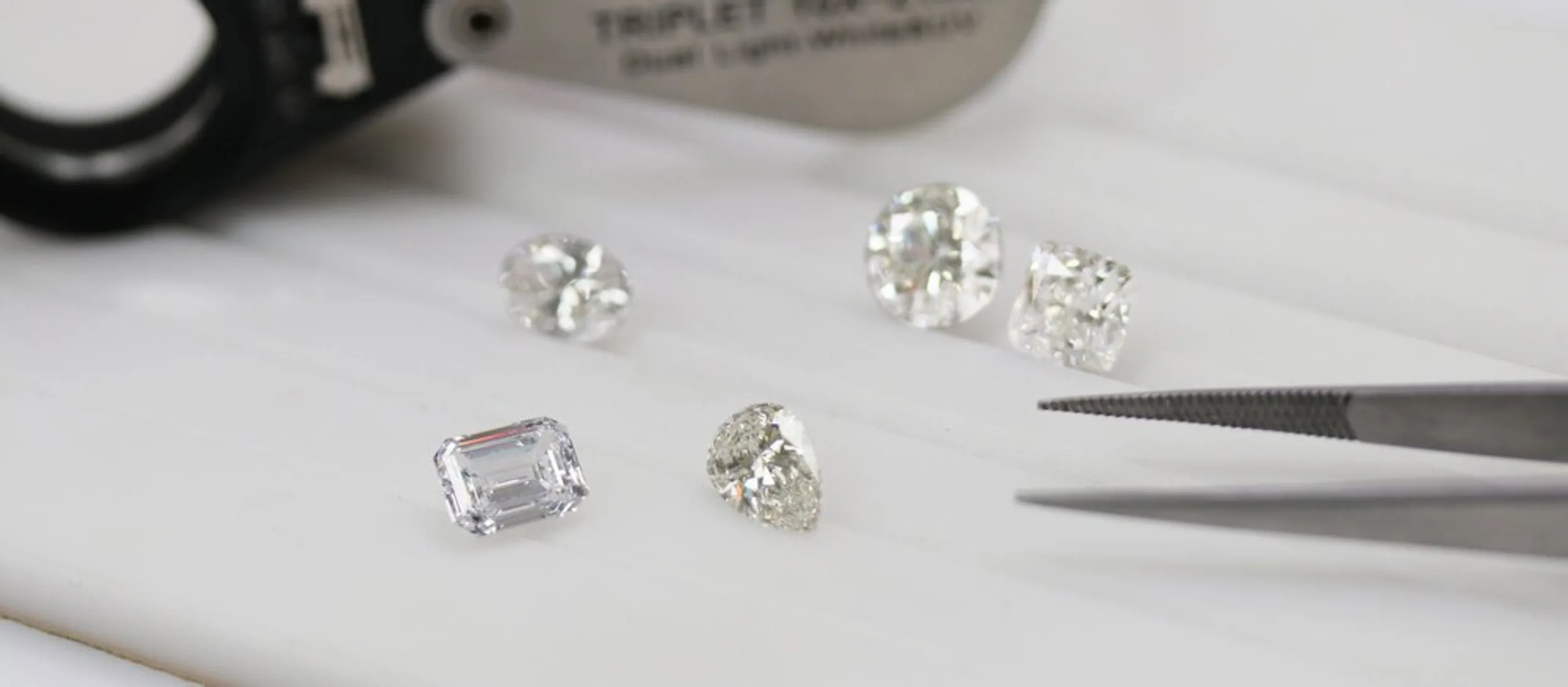

In recent years, lab-grown diamonds have emerged as a stunning and ethical alternative to their natural counterparts. But what’s the real story behind these sparkling gems? Let’s dive into the insider perspective of lab grown diamonds insider story, from their scientific origins to their growing popularity in the market.
What Are Lab-Grown Diamonds?
The Science Behind Creation
Lab-grown diamonds are created using advanced technologies that replicate the natural conditions under which diamonds form. Essentially, these diamonds are made of carbon atoms arranged in a crystal structure, just like natural diamonds. The two primary methods for creating lab-grown diamonds are High-Pressure High-Temperature (HPHT) and Chemical Vapor Deposition (CVD). Both processes produce diamonds that are virtually indistinguishable from mined diamonds.
Comparing Lab-Grown and Natural Diamonds
While both types of diamonds share the same physical and chemical properties, the key difference lies in their origin. Lab-grown diamonds are created in a matter of weeks, while natural diamonds take millions of years to form deep within the Earth. This difference not only affects the price but also the ethical implications surrounding their sourcing.
The History of Lab-Grown Diamonds
Early Beginnings in the 1950s
The journey of lab-grown diamonds began in the 1950s, when scientists first succeeded in creating synthetic diamonds. These early attempts were primarily focused on industrial applications, but the technology gradually evolved. By the 1970s, gem-quality lab-grown diamonds began to appear, but they were still largely viewed with skepticism by consumers.
Evolution of Technology
Fast forward to the 21st century, and advancements in technology have significantly improved the quality and accessibility of lab-grown diamonds. Today, these diamonds can be produced with clarity and brilliance that rivals the best natural diamonds, making them an attractive option for consumers.
The Growth of the Lab-Grown Diamond Market
Current Market Trends
The market for lab-grown diamonds has exploded in recent years, with a surge in demand driven by changing consumer preferences. More people are seeking ethical and sustainable options when it comes to their jewelry, and lab-grown diamonds fit the bill perfectly. Reports show that sales of lab-grown diamonds are expected to continue to rise as awareness grows.
Key Players in the Industry
Several companies have emerged as leaders in the lab-grown diamond industry, such as Brilliant Earth, MiaDonna, and Diamond Foundry. These brands are not only producing beautiful diamonds but also educating consumers about the benefits of choosing lab-grown over mined options.
Environmental and Ethical Impact
Sustainability Benefits
One of the biggest advantages of lab-grown diamonds is their reduced environmental impact. Traditional diamond mining can lead to significant ecological damage, including habitat destruction and soil erosion. In contrast, lab-grown diamonds require far fewer natural resources and produce less waste, making them a more sustainable choice.
Ethical Considerations
Lab-grown diamonds also address ethical concerns associated with the diamond industry, such as human rights abuses and conflict diamonds. By choosing lab-grown options, consumers can be confident that their purchase supports ethical practices.
Understanding the Lab-Grown Diamond Process
High-Pressure High-Temperature (HPHT) Method
The HPHT method simulates the natural conditions of diamond formation by applying extreme heat and pressure to carbon. This method produces diamonds that are often used in industrial applications but can also result in beautiful gemstones.
Chemical Vapor Deposition (CVD)
CVD involves placing a diamond seed in a chamber filled with carbon-rich gas. The gas is then heated, causing the carbon to deposit onto the seed and form a diamond. This method allows for greater control over the diamond’s characteristics, resulting in high-quality gems.
The Future of Lab-Grown Diamonds
Innovations on the Horizon
As technology continues to advance, the lab-grown diamond industry is poised for even more innovation. From improved production methods to new marketing strategies, the future looks bright for lab grown diamonds.
Consumer Acceptance and Preferences
Consumer acceptance of lab-grown diamonds is growing, especially among younger generations who prioritize sustainability and ethics in their purchases. As more people learn about the benefits, the stigma surrounding lab-grown diamonds continues to fade.
Buying Lab-Grown Diamonds
What to Look for When Shopping
When shopping for lab-grown diamonds, it’s important to look for certification from reputable gemological labs. This ensures that your diamond meets established quality standards. Additionally, consider the 4 Cs—cut, color, clarity, and carat weight—to find the perfect gem for your needs.
Popular Styles and Settings
Lab-grown diamonds come in a variety of styles and settings, from classic solitaires to intricate halo designs. Whether you’re looking for engagement rings, earrings, or necklaces, there’s a lab-grown diamond style to suit every taste.
Conclusion: A New Era in Diamonds
The insider story of lab-grown diamonds reveals a fascinating blend of science, ethics, and consumer preference. As the market continues to evolve, lab-grown diamonds are not just a passing trend; they represent a significant shift in how we view and value diamonds. With their stunning beauty and ethical benefits, lab-grown diamonds are paving the way for a new era in the jewelry industry, making them a choice worth considering for your next sparkling purchase.